Template + Guide
Quest Design Template from Concept to Playable Arc
This quest design template is for narrative teams who need to plan the spine of a quest before implementation details hide the actual story logic.
The download gives you a copy-ready starting document, and the guide below shows what each section should contain with concrete narrative examples.
Who uses this
Quest writers, narrative designers, and teams balancing story stakes with production realities.
Problem it solves
Quest documents fall apart when objectives, world-state changes, and narrative payoff live in three different places. This template keeps them in one.
Actual template
Section-by-section walkthrough
Section I
Quest frame
This is the narrative spine of the quest. If premise, stakes, and objective are not readable in one glance, the rest of the document will not stay coherent.
Section II
Flow
The flow section should show the real player path, not just a brainstorm list. Critical path, optional beats, and fail states need to be explicit.
Section III
Outcomes
Quest design is not complete until the state changes are visible. This is where the document stops being a mission outline and becomes part of the living narrative system.
Section IV
Production notes
This section keeps narrative ambition connected to implementation reality. That makes the template useful to more than just the writing team.
In Talebuddy
How to use this in Talebuddy
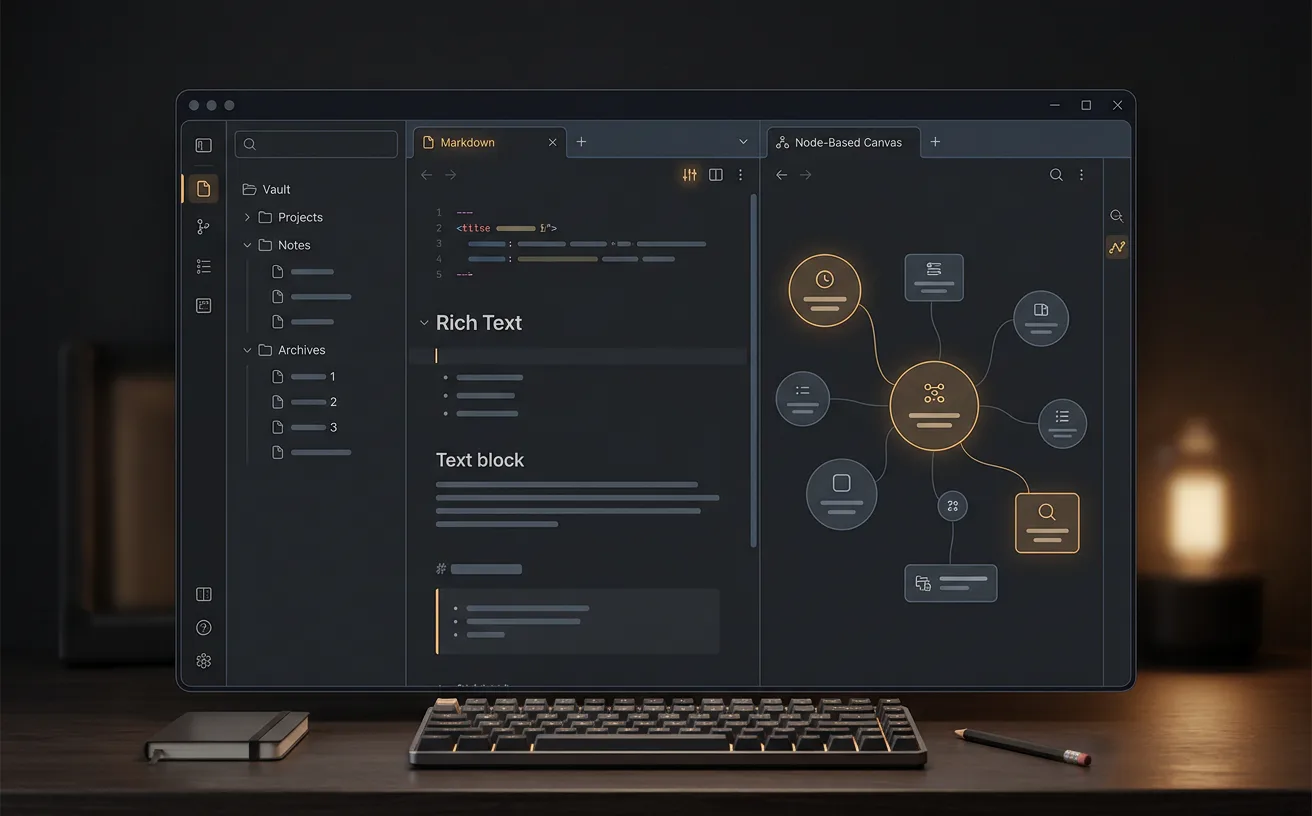
Quest planning gets cleaner when the narrative brief, reference notes, and follow-on drafting live in the same workflow. Talebuddy is built for that handoff from structure into active writing.
- 1Write the quest frame until the premise and stakes are obvious even to someone outside the writing team.
- 2Map critical path, optional path, and fail states in one place before you draft scene-level content.
- 3Move the living document into Talebuddy once dialogue, lore, and state changes start iterating together.
Copy-ready Markdown
If you want the full template inline instead of the download, copy the Markdown below and adapt it to your project.
# Quest Design Template

## Quest Frame
- Premise:
- Stakes:
- Player objective:
- Primary NPCs:

## Flow
- Critical path:
- Optional beats:
- Gating conditions:
- Failure state:

## Outcomes
- World-state changes:
- Rewards:
- Sequel hooks:
- Updated faction state:

## Production Notes
- Reused locations / assets:
- Dialogue dependencies:
- QA edge cases:
- Open questions:
Keep exploring
How long should a quest design document be?
Long enough to clarify quest flow, state changes, and dependencies. It should be detailed where choices and consequences matter, and concise where they do not.
Should rewards and world-state changes live in the same template?
Yes. If outcomes are separated from the main flow, quests become harder to validate and easier to contradict later.
Can this work for linear quests too?
Yes. The same structure helps linear quests because it still captures stakes, blockers, outcomes, and follow-on hooks clearly.