Template + Guide
Game Bible Template for Narrative Teams
This game bible template is for narrative designers, indie studios, and solo game creators who need one stable source of truth for lore, rules, and story structure.
Use the download below as a starting document, then adapt each section with concrete examples from your own project instead of generic worldbuilding notes.
Who uses this
Narrative teams, quest designers, and solo creators building dialogue-heavy or lore-heavy games.
Problem it solves
A game bible becomes useless the moment it turns into a lore dump nobody reads. This template is structured around decisions, not decoration.
Actual template
Section-by-section walkthrough
Section I
Project frame
This section stops the team from using different definitions of the same game. Premise, player fantasy, and tone should be stable enough to guide every quest and dialogue pass.
Section II
World rules
Narrative contradictions usually come from unstated rules. Spell limits, resurrection logic, surveillance systems, and faction power all belong here.
Section III
Narrative pillars
This is the backbone for every content designer joining the project. If factions, themes, and major locations are not framed clearly, quest writing fragments fast.
Section IV
Production notes
A useful bible is not only literary. It should capture constraints that affect implementation, scope, and handoffs.
In Talebuddy
How to use this in Talebuddy
The game bible works best as the stable narrative reference beneath quest docs, dialogue pages, and branch planning. Talebuddy gives you a cleaner drafting surface once those documents stop being static.
- 1Fill the bible before quest design starts, with enough specificity that another writer could make correct decisions from it.
- 2Store it where designers and writers can keep revising the same source of truth instead of making side copies.
- 3Use Talebuddy for the live drafting layer once quests, dialogue, and story states start evolving in parallel.
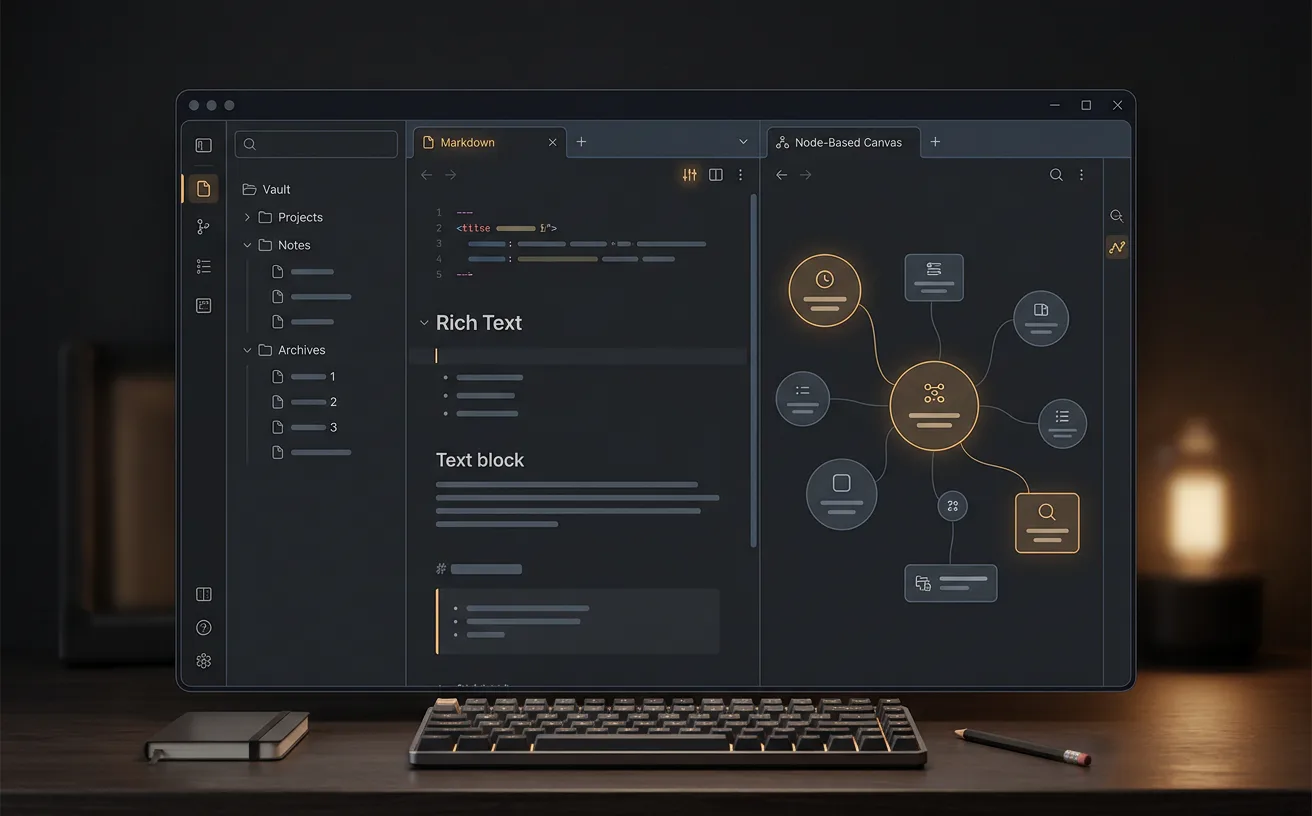
Copy-ready Markdown
If you want the full template inline instead of the download, copy the Markdown below and adapt it to your project.
# Game Bible

## Project Frame
- Premise:
- Player fantasy:
- Tone guardrails:
- Narrative genre:

## World Rules
- Magic / tech rules:
- Hard constraints:
- Social order:
- What the game never contradicts:

## Narrative Pillars
- Core conflict:
- Factions:
- Locations:
- Recurring themes:

## Character Roles
- Protagonist function:
- Companion / NPC roles:
- Antagonist pressure:

## Production Notes
- Branching complexity level:
- Quest dependencies:
- Terms and naming rules:
- Open canon questions:
Keep exploring
Template
Character bible template
Document cast voice, goals, and relationships under the same narrative system.
Template
Quest design template
Pair the game bible with a quest-level structure for playable story work.
Template
NPC dialogue template
Plan branching conversations that stay consistent with your world rules.
What belongs in a game bible versus a quest document?
The game bible holds stable world logic and shared narrative assumptions. A quest document handles one storyline or mission built on top of that foundation.
How detailed should the world rules section be?
Detailed enough to prevent contradictions. Include the rules that actually affect quest outcomes, dialogue, stakes, and player expectation.
Can a solo developer use this too?
Yes. Solo creators benefit just as much because the bible reduces rediscovery and keeps long production cycles from muddying earlier decisions.